
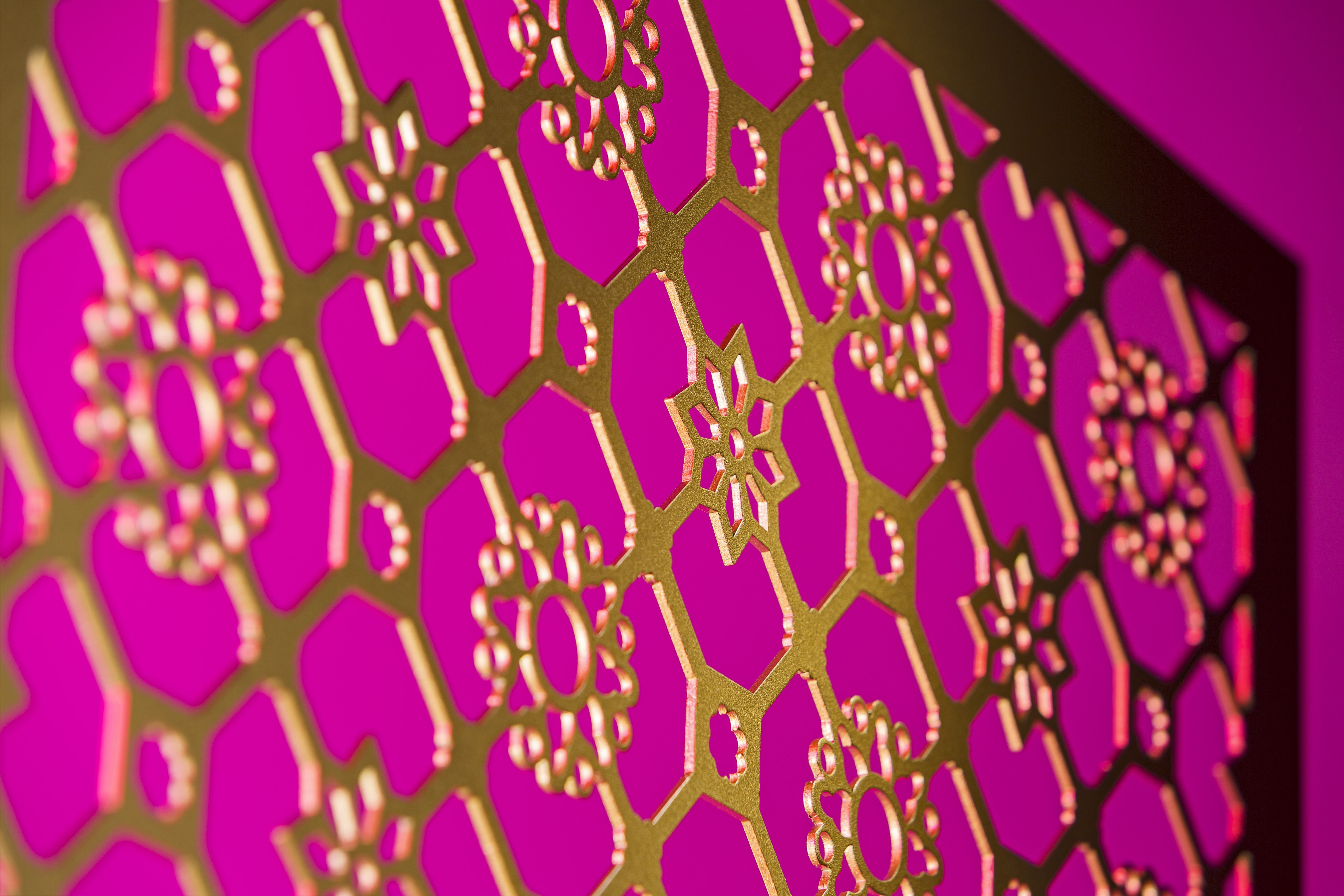
When architects design an interior space, every detail matters – down to the appearance of HVAC infrastructure. Decorative grilles, available in a variety of patterns, materials, and finishes, are functional works of art that complement the look of a room. Specifying the right decorative grille is not just about aesthetics, however. This article will discuss how the pattern of a decorative grill can affect its performance, and how to specify a grille accordingly.
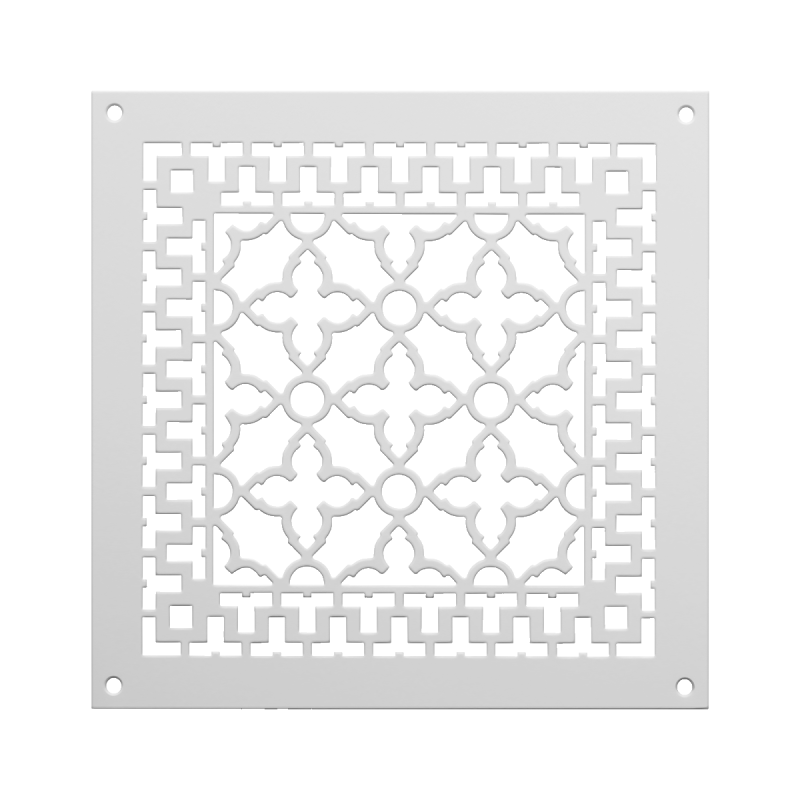
What are decorative grilles?
Decorative grilles are air supply, exhaust, return, or transfer grilles that cover duct openings in walls, ceilings, and floors. What sets them apart from conventional air grilles are their looks. Laser-cut, water jet-cut, or punched with special tooling, decorative grilles come in a variety of aesthetically pleasing patterns that add visual interest to a space. The materials and finishes of decorative grilles can be further customized to achieve an architect’s vision.
Do the patterns of decorative grilles affect performance?
Beyond influencing the aesthetics of a room, the pattern of a decorative grille can have an impact on the performance of the grille. Different patterns have differing amount of free area, or how much of the grille is open to airflow versus occluded by grille material.
Patterns with fewer and smaller openings have less free area, increasing the amount of energy it takes to push or pull air through the grille and making the process noisier. Conversely, more open patterns have greater free area, making them more energy efficient and quieter.
When an architect chooses a decorative grille pattern, they are concerned with the pattern's design first and foremost. Engineers, on the other hand, make choices based on performance. While they can't change the pattern once it's been decided by the architect, engineers can offset inefficiencies in the design by making the grille and the opening it covers larger.
Making the grille and duct opening larger can help improve performance by:
- Lowering the velocity of air
- Increasing the flow rate through the grille
- Reducing noise levels

Functional considerations when specifying decorative grilles
Size of duct opening: When specifying a decorative grille, it's important to know the size of the duct opening that the grille will cover as to properly size the grille.
Larger duct openings have a higher flow rate, letting them more easily offset performance issues from grilles with low amounts of free area. However, there is a limit on how large a duct opening can be in respect to the other utilities like water pipes, electrical conduits, ceiling joists, and wall studs that share space in the walls and ceilings.
Material: Choosing the right material for a decorative grille involves weighting aesthetic with material cost:
- Painted Steel: A cost-effective material, painted in a color of choice.
- Aluminum: A mid-cost material with better corrosion-resistance than painted steel.
- Stainless Steel: A higher-cost, heavy-duty material chosen for its aesthetics.
- Brass and Bronze: Exotic materials prized for their looks, offered by select manufacturers.
Installation Method: Installation methods for decorative grilles can further influence their appearance:
- Visible Fastenings: Fastenings (such as screws) are inserted on the face of the grille, making them visible when installed. Makes it easy to remove the grille for cleaning.
- Concealed Fastenings: Fastenings are inserted behind the face of the grille within the wall opening, hiding them from view.
- Concealed Frame: The frame of the decorative grille is mudded into the wall with sheetrock compound, leaving only the pattern visible.
Maintenance: When specifying a decorative grille, consider how it will be removed or opened for future maintenance and cleaning of the ducts.
Filters: Decorative grilles can be built with a filter frame, making it easy to access and/or remove filters.
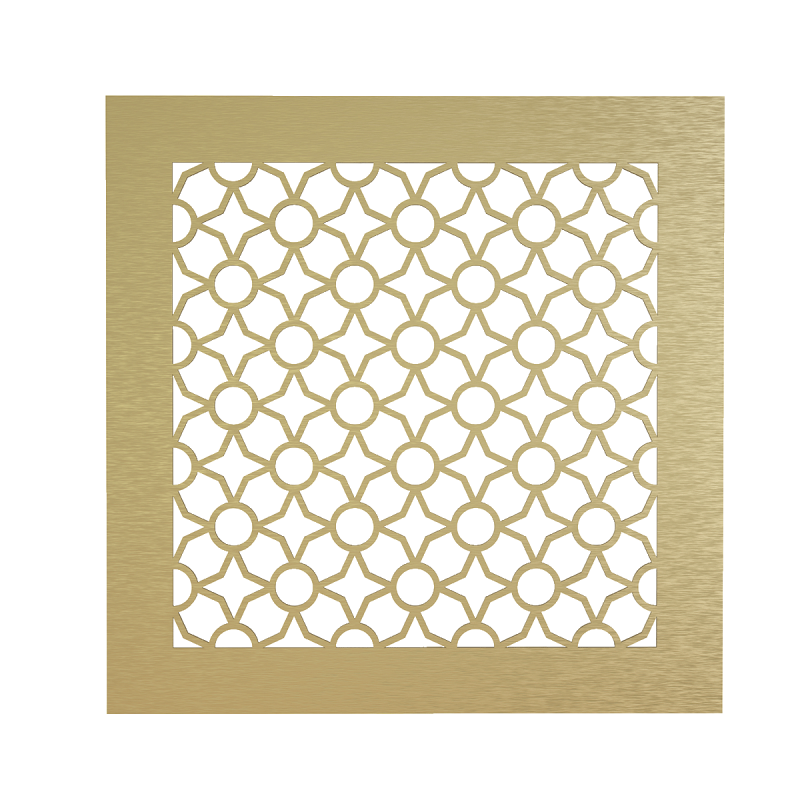
Aesthetic considerations when specifying decorative grilles
Pattern: The design pattern of a decorative grille is what sets it apart from a conventional air grille. Different manufacturers offer their own library of patterns, ranging from simple to ornate, modern to antique. Certain patterns correspond to particular architectural styles, providing period-appropriate options for historic building renovations.
Finish: The finish of an architectural grille adds the final aesthetic touch to this functional work of art:
- Anodized: Aluminum treated for a durable finish.
- Brushed or Satin: A polished look for aluminum, stainless steel, brass or bronze.
- Painted: Steel or aluminum can be painted to match a desired color.
- Clear Lacquer: A patina-resistant coat for brass and bronze.
- Oxidation: A coating process for brass and bronze that gives it an antique look.
Why KEES
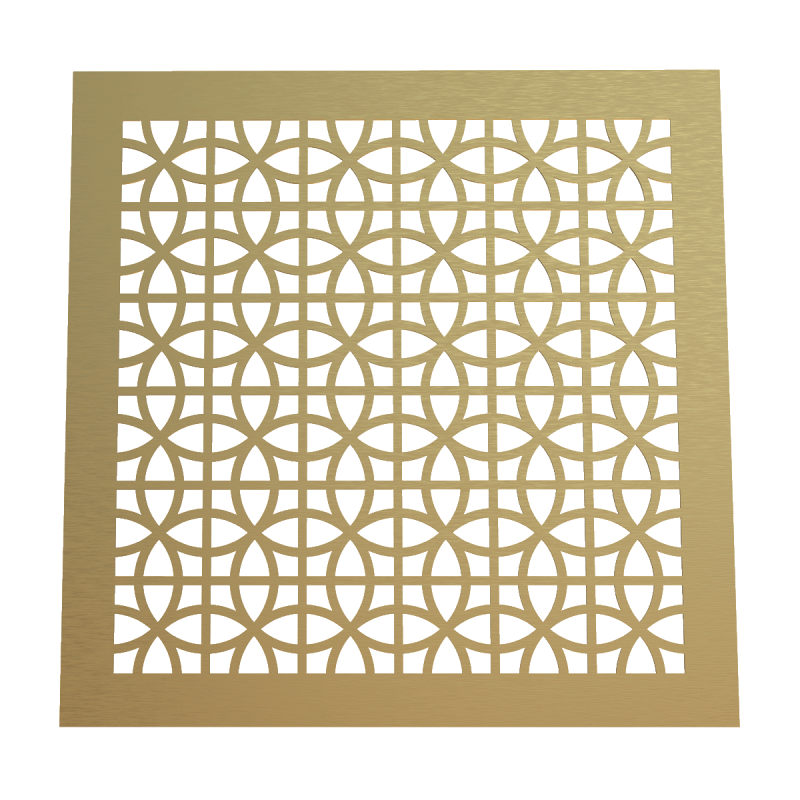
At KEES, our HVAC experts know how to balance decorative grille aesthetics with performance. For designers and architects, we offer over 120 pattern choices, available in all of our materials and finishes. If none of those patterns speak to you, KEES will bring your creation to life by converting a CAD drawing into a custom pattern. We'll help you add a distinctly personal touch to any project, whether it's a brand-new construction or vintage restoration.
For engineers, the expert installers at KEES can advise on the sizing of decorative grilles to maximize their performance. We'll help you choose the right size to come to a compromise between airflow and design, preserving aesthetics while enhancing efficiency.